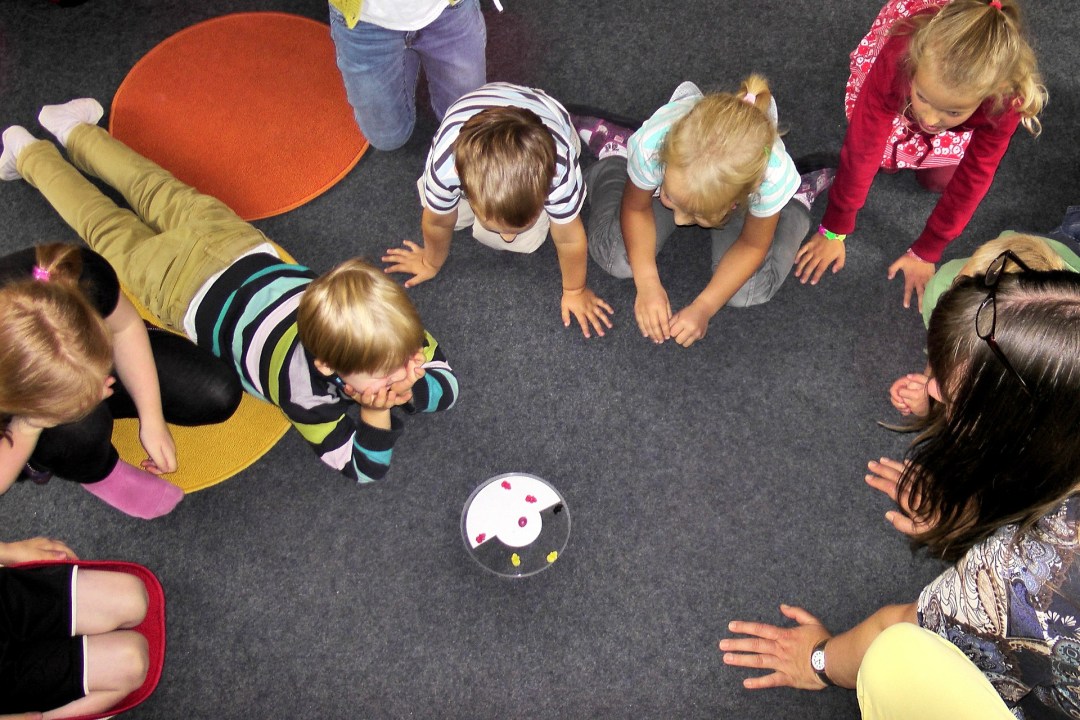
Health and safety in daycares is extremely important due to the particularly vulnerable nature of early childhood students.
All employers, managers or owners are legally responsible for ensuring that children and daycare staff are protected, as much as possible, from the risks of being and working in a daycare centre.
The law does not expect all risks to be eliminated, but “reasonable precautions” to be taken and staff to be trained and aware of their responsibilities. This means that risks must be assessed and reasonable measures must be taken to mitigate them.
Sensible safety management is when:
- The management team understands the health and safety policy of the centre and applies it practically to the real risks posed in the centre.
- Key personnel have clearly established roles and responsibilities and understand their health and safety functions.
- Red tape is minimized with the significant hazards identified, their risks adequately controlled and the precautions clearly documented when necessary.
Significant health and safety issues in daycare centres include lack of maturity / awareness among students, class size, limited space, layout, equipment, etc.
In this article, we discuss eight things you should check in your child care risk assessment.
- Travelling within the daycare
Last year, 20% of school health and safety injuries were caused by slips, trips and falls. Many of these incidents can be easily avoided by ensuring:
- The interior flooring is in good condition;
- The lighting is bright enough to ensure safe access to and exit from the site;
- Robust procedures are in place for spills;
- There are no trailing electrical cables / wires;
- The aisles are clear;
- Outdoor play areas are regularly checked for the presence of dangerous objects; and
- Storage areas, warehouses and staff rooms are always kept in an orderly condition, all items being placed in safe positions on shelves or in lockers to avoid injuring people .
Daycare staff should make sure the room is ready for cleaning – and don’t expect janitors to clean up after the kids. This means cleaning up all items / debris from the floor and stacking the chairs at the end of the day.
To ensure this, conduct quarterly health and safety inspections and provide affected personnel with comprehensive follow-up reports.
- Work at height (falls)
A book or swivel chair is not an appropriate way to reach for something high. In your risk assessment, can you say:
- Is there a stool or step stool to use if necessary?
- Are the windows above the ground floor secure to prevent falls?
- Are window openers provided for high level windows?
- Furniture and accessories
Despite the financial pressures in education, it is still very important to maintain furniture and accessories.
When assessing the risks on your premises, check that you can answer “yes” to these questions:
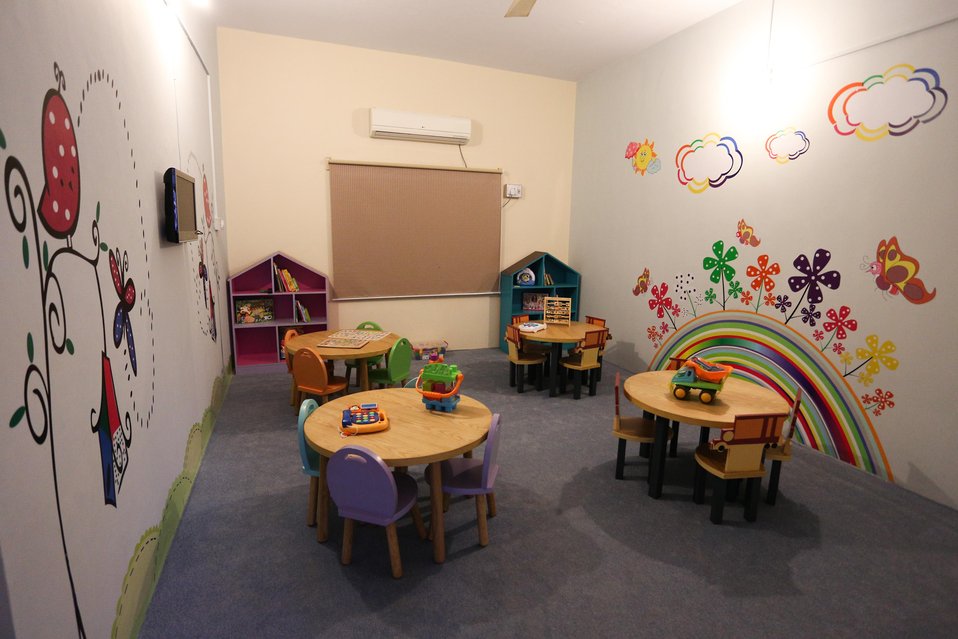
- Are the permanent fixtures in good condition and securely attached?
- Are the furniture in good condition and suitable for the size of the user, whether adult or small child?
- Is portable equipment, such as a TV, stable on an appropriate cart?
- When window restrictors are installed on upper story windows, are they in good working order?
- Hot surfaces of radiators, etc. are they protected if necessary to avoid the risk of burns for vulnerable young people?
If the answer is no, you must ensure that measures are taken, as much as possible, to mitigate the risk.
In addition, the equipment must be safe to use and clean – providers must be aware of hygiene requirements.
- Manual handling
It doesn’t mean doing a risk assessment every time someone carries something, like handing out books, but it does mean providing adequate support if a heavy object needs to be move. It could be as simple as providing a cart to move a heavy object or asking another member of staff to help when moving heavy equipment.
Bending and lifting must be done with the necessary attention for the posture of the back and body.
- Safety rules
Keep staff informed of special safety rules for children in early childhood, such as:
- Only walk inside – no running.
- Children are not allowed to use the equipment / device without adult supervision.
- Children should learn safe methods of transporting equipment, such as scissors or chairs.
- Keep hot drinks in cups with lids to avoid overflowing.
- Groups of children or individuals are never left unattended.
- Electrical equipment and services
Answering “yes” to these questions is a good indication that your daycare is compliant.
- Are the fixed electrical switches, sockets and cables in good condition?
- Are the electrical outlets accessible to children covered?
- Have portable electrical equipment been visually checked and tested at appropriate intervals to ensure its safe use? A sticker can show that it has been tested.
- Has the damaged electrical equipment been taken out of service / replaced?
- Are the electrical cables routed to avoid tripping?
- Fire
If there are emergency exit doors in the classroom, are they clear, unlocked and easy to open?
In addition, daycare managers must be able to confirm that:
- Fire fighting equipment is in place.
- Fire evacuation procedures are clearly displayed.
- All staff are aware of the monthly evacuation drill, including arrangements for any vulnerable adult.
It is also important to regularly test your fire safety procedures to make sure they are right for your purpose.
- Ventilation and heating
A classroom that is too hot or too cold can affect a child’s learning ability. With that in mind, you should have measures in place and be able to answer the following questions:
- Do the rooms have natural ventilation?
- Can we maintain reasonable temperatures?
- Are measures in place, including blinds, to protect against glare and heat from the sun?
Sensible Judgement
This list is not exhaustive and you must identify any other danger associated with the daily use of the centre, including any other necessary action.
If you are able to demonstrate that you assess the risks in these eight areas, you are in the process of complying with health and safety.
Ultimately, reasonable judgements are all that is generally required to obtain maximum benefits for children while ensuring that they are not exposed to significant risks. This is particularly important in early childhood settings, as children should be able to grow, develop and safely take the appropriate risks.
Taken from :https://elliswhittam.com/blog/education-9-ways-to-keep-your-nursery-health-and-safety-compliant/

 School Solutions