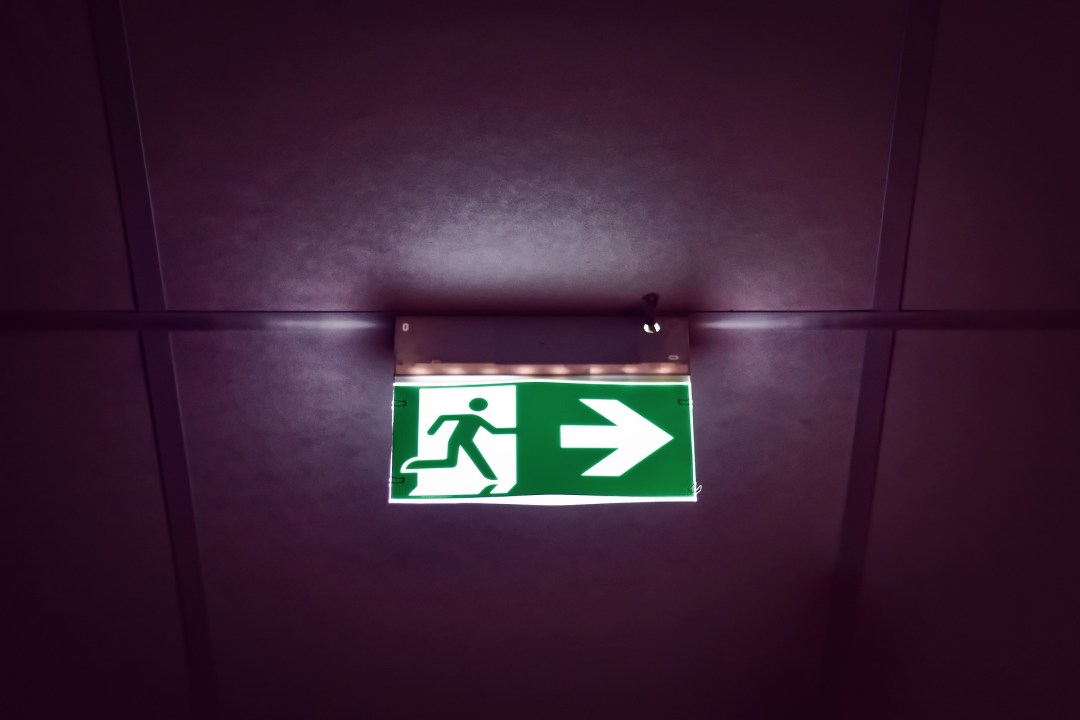
Fire safety in schools is vital, because a large number of young people are gathered in one place, which means that the risk of disaster is high.
It is essential that each school takes the necessary precautions to protect its students, staff and visitors in the event of a fire.
According to the Canadian Fire Code, schools must conduct risk assessments to identify general precautions to take in the event of a fire. These regulations require that fire precautions be put in place “if necessary” and as far as is reasonable and practicable.
The CFC applies to all provinces and territories of Canada. Under CFC, the ultimate responsibility for fire safety rests with the “responsible person” – the person who controls the premises (or some degree of control). For schools, this is generally the management team (principals and vice principals), the superintendent in collaboration with building services.
How should the management team mitigate the risk of fire?
For schools to implement effective fire safety measures, they must first understand the potential fire risks in their environment and how these are controlled. This is done through a risk assessment.
A fire risk assessment is an organized and methodical look at your premises, the activities carried out and the probability that a fire will start and cause damage to buildings and injuries that could happen to people.
The objective is to:
- Identify potential fire hazards – particularly sources of ignition (such as electrical appliances) and fuel (any combustible element);
- Consider how to reduce the risk of these hazards causing damage to as low a level as possible; and
- Decide what physical precautions against fire and what management arrangements are necessary to ensure the safety of people in the event of a fire.
Most of the information required by your fire risk assessment will come from the knowledge of your school staff, as well as those responsible for your buildings. A site visit will likely be necessary. The assessment should be carried out systematically, taking into account the entire site, including outdoor locations and rarely used areas.
How to carry out a fire risk assessment?
Fire risk assessments can be divided into five key elements:
- Identify potential hazards
- Determine who is at risk
- Assess, reduce, eliminate and protect against risks
- Record, plan, inform and train
- Review and revise as necessary
After the evaluation, the management must:
- Inform staff of the risks identified;
- Establish and maintain appropriate fire safety measures;
- Ensure that staff and students are aware of emergency evacuation procedures; and
- Review fire risk assessment frequently
How often should fire risk assessments be reviewed?

To remain effective, fire risk assessments must be kept up to date. It is recommended that your management carry out a fire risk assessment at least once a year, and you should carry out an examination whenever there is a significant change in the environment.
Fire precautions must also remain adequate and up to date; they must be maintained and revised in detail when major modifications are made to the premises.
What fire safety precautions should the management team take?
Principals should consider three categories of basic fire precautions:
Passive precaution
Passive fire precautions, such as “fire doors”, are those that delay the spread of fire and smoke through buildings. They also protect buildings from early collapse.
Passive protection is the foundation of fire safety. High-risk areas, such as school kitchens, should be separated from the rest of the school by fire doors with longer resistance times. Standard resistance fire doors may be suitable for long corridors provided they are able to restrict the passage of smoke. The protective integrity of these barriers (generally 30, 60 or 90 minutes) must be maintained.
Fire doors
The importance of properly rated, installed and maintained fire doors cannot be overstated. Remember that maintaining your fire doors could save your life. All doors should be checked regularly to ensure that the gaskets and hinges are in good working order. If a door does not close independently, it will require prompt attention as it is no longer effective.
The role of staff
Training on the importance of keeping fire doors closed and clear is also recommended for staff and students. Encourage staff to report barrier damage, removal of signage, etc.
NB: All personnel should be responsible for maintaining a high level of fire safety in areas under their control or influence.
Active precaution
Active precautions are for systems that detect fire or smoke and slow the growth of fire.
Available measures include:
- Early warning systems, such as smoke detectors.
- Manual suppression of fires, such as fire extinguishers.
- Automatic suppression of fires, such as water mist systems or sprinklers – fully automated sprinkler systems can reduce fire damage
Sprinklers are the only fire safety system that can detect and suppress a fire and set off the alarm. Suppression and sprinkler systems can be difficult to renovate in older buildings, but need to be considered.
School vacation
Sprinklers are especially important during summer vacations, when fires in empty buildings can smolder undetected, causing significant damage. Meanwhile, the schools being unoccupied for long periods, they are very often prone to arson.
Fire safety management
Fire safety management links passive and active measures.
The CFC requires that your fire safety management system include evacuation planning and drills. Your responsible person must:
- Prepare an evacuation plan;
- Appoint fire marshals to assist in its execution; and
- Organize fire drills to practice the procedures.
Specific arrangements must be made for students and visitors, upon hearing the alarm, to leave the buildings in a calm and orderly manner. For disabled people, arrangements should be made to provide assistance.
Everyone should be directed to a designated meeting point. This must be outside the school premises, clearly marked and easily identifiable by anyone expected at the school.
It is essential that the fire marshals sweep the premises to ensure that no one is left in the building.
What training do staff need?
The CFC stipulates that personnel must undergo appropriate and sufficient fire safety training.
- Training should include basic fire safety issues, such as what to do to discover a fire or hear the fire alarm.
- Reinforced training should be provided to personnel who must act as fire marshals or use the fire extinguishers provided.
Fire drills are essential in all circumstances. They must be carried out at least once a quarter and at different times of the day. You must assume that a fire has occurred in a particular location and that one or two escape routes are affected, as this will force people to respond to changing circumstances.
Attempts to fight a fire must always be secondary to personal safety – any attempt must be based on the circumstances and the degree of training received.
It is important to keep a “fire log” where all training and tests are recorded. Keeping such records is not explicitly required by CFC, but is a simple way to demonstrate compliance with the law to the enforcement authority.
How to manage the evacuation?
Someone should have overall responsibility for the evacuation, ensuring:
- The call is made immediately after people have gathered;
- Your attendance registery and your emergency book are kept at a central point and brought to the meeting point when the alarm sounds; and
- A count at the meeting point is made and checked against your attendance registery and your emergency book to confirm that everyone is outside the premises and that no one is missing, including visitors / entrepreneurs
During the first week of the quarter, all new hires should learn the main escape routes from your school and receive instructions on your fire escape routine.
Where should all this information be stored?
In addition to your evacuation plan, your school should have a fire safety policy that includes:
- A brief overview of the relevant regulations and available guidelines.
- A “declaration of intent” regarding fire safety.
- The name of the person responsible for fire safety.
- Your fire safety provisions, including preventive maintenance of fire safety systems.
- Your fire safety training policy for integration personnel, including employees who must perform additional duties such as fire marshals / guards.
- Your fire escape arrangements.
- Means of calling the fire and rescue service.
- The specific role of the fire marshal in the evacuation plan and the fight against fires in the premises.
- Specific provisions for the evacuation of disabled people.
- Arrangements for grouping visitors inside and outside the school.

 School Solutions