When it comes to school fairs, effective planning and organization are essential to create an event that is both safe and enjoyable.
Although health and safety should not be an obstacle to organizing school events, it is important to ensure that the risks to staff and visitors have been properly assessed and controlled.
Depending on the scale of the event and the activities on offer, a series of basic steps may be all that is required; however, taking the time to minimize the risks is crucial to preventing accidents, injury and regulation.
In this article, we summarize the steps schools should take in advance, as well as some of the key questions that organizers will need to think about.
The specific health and safety provisions will depend on the size and nature of your living room. Individual circumstances must be taken into account in order to identify the risks associated with your specific event. However, the main principles remain the same.
Duty of care
As the organizer of the event, your school has a duty of care towards participants and staff. It is important to address the following main points, preferably in a written document:
- This overall responsibility for the event is recognized; and
- The persons or organizations who control certain aspects of the fair are named, with their control area clearly identified – an organization chart may be useful.
Risk assessment
Your school will be responsible for identifying hazards and risks and ensuring everyone’s safety through a risk assessment.
The purpose of a risk assessment is to identify hazards that may cause harm. You must then assess whether you have implemented sufficient precautions (“control measures”) or whether more should be done to avoid damage. Dangers to consider include:
- Risk of displacement or equipment. Could people trip over cables or shrouds?
- Dangers linked to the management of crowds. Could there be an overcrowding / overcrowding?
- Crew risks. How will you protect those working for you from injury from lifting and handling objects?
- Risk of first aid. Could people be injured by the activities of the fair?
- Weather hazards. Can the floor become slippery when wet?
- Risk of fire. How will you control smoking on the outskirts ?
- Restoration risks. Can ovens, barbecue grills or hot water basins present a risk?
- Dangers for protecting children. Is there a risk of losing children?
Write down all the possible risks and people at risk – be they the participants, the crew, members of the public or the place itself. Next, note how you will mitigate and manage each risk. This shouldn’t involve tons of paperwork – just write down the basic steps to take.
Then ask yourself if you can completely eliminate the danger. Otherwise, you have to control the risk. This will help ensure that your health and safety measures are adequate. A written risk assessment should be prepared so that everyone involved is aware of the action taken.
5-step approach to risk assessment
The risk assessment process can be divided into five key steps:
- Identify dangers and people at risk;
- Evaluate the risks and decide on control measures;
- Record your results and make an action plan;
- Implement any additional controls identified; and
- Review your risk assessment
Remember that managing health and safety is largely about taking simple, sensible and common sense precautions, so focus on the risks that could cause real harm.
Realistically, the questions you will need to ask are:
- What could potentially go wrong?
- How accidents could happen and who could be injured?
- Are the risks of someone being injured by a danger high or low?
- What effect could this have on those present? (In other words, how serious could the damage be?)
- What needs to be done to control the risks and make your school safer?
Access and capacity considerations
When planning the event, you should think about:
- How people will get to your school. Make sure your advertisement details parking and public transportation.
- If you need to put up signs on surrounding roads to make the fair easier to find.
- The layout of the fair to guarantee the safety of people and vehicles.
- The number of people present.
- How to keep the site safe from the risk of slipping and stumbling.
- If your place is accessible to people with disabilities. You should make sure that the advertisement is clear about the level of access that visitors can expect and check for obvious dangers such as slopes or abrupt changes in ground level.
Other questions to ask:
- Can participants be safely housed inside the site? Is there room to move around? Are there pinch points where overcrowding could occur?
- Is there sufficient access to the site for pedestrians and vehicles?
- Y does it have enough emergency exits?
- Does the site present existing dangers?
- Are the soil conditions and topography suitable for positioning structures temporary?
Plan your school fair
Once you have confirmed the relevance of your school site as a fair location, you will need to organize and plan the day in detail.
- Start with a written profile of your fair , including all the activities that need to take place and the estimated audience size and demographics – children, the elderly and the disabled all have different needs.
- Write a site map showing where the structures, facilities, entrances and exits will be.
- Start an event log. Shortly before the fair, go over the details. Questions to ask include:
- Where will everyone be on the day of the event?
- Does everyone know their roles and responsibilities, including what to do in case of a problem?
- How will equipment and volunteers get to the site – and how will they leave the site?
- Will you be able to take rented equipment delivered directly the same day, or will it have to be stored?
- How far from the fair site can the organizers’ vehicles go?
- You may need to use a cart or volunteers to help transport the equipment closer to the site.
- Who is responsible for the money on the day? If you could collect a large sum, consider asking someone to collect the money throughout the day.
- Will you have enough activities?
- Do you have enough time, equipment and people for installation and cleaning?
- Plan the layout of the fair. Prepare a map showing the layout, including exit routes. Be sure to consider the spacing and layout of the attractions – make sure the site is large enough for all of the planned activities.
- If you intend to provide parking, you may need to arrange for designated parking. Provide them with high visibility vests so that they are easily visible. Vehicles should be kept away from pedestrians as much as possible – consider a traffic management plan.
- Develop strict school site rules for exhibitors / operators.
- Determine if you need to provide appropriate safety barriers around attractions, exhibits and equipment. Exit routes must be clearly identified and clear of all obstacles.
- Review any previous experience you have with hosting events. Contact other schools that have organized similar events to learn from their experience.
- Plan for any situation requiring urgent action. It could be something from a bad weather fire. Your emergency plan must include:
- Raise the alarm – how will you communicate the emergency with staff and volunteers?
- Inform the public – do you have an adequate public address system?
- On-site emergency response – are there fire extinguishers?
- Evacuation – how will you move people, including people with disabilities, from immediate danger to a safe place?
- Traffic management – how will the vehicles will they have access to the site?
- Provide first aid – is there enough medical care?
An individual or group should be responsible for planning health and safety management. Your risk assessment and event plan should be communicated to everyone involved, including exhibitors, amusement operators and volunteers – so that they can take into account the necessary dangers, risks and precautions. for the whole event and for each individual attraction and activity.
Installation
- – Provide staff with relevant information when they are introduced to the fair. This should include information such as site hazards, speed limits and parking, first aid, toilets and washing facilities, and emergency provisions.
- – The storage and movement of goods and materials must be taken into account. Arrange to move all heavy objects. Do not take unnecessary risks when setting up large marquees, tents, etc.
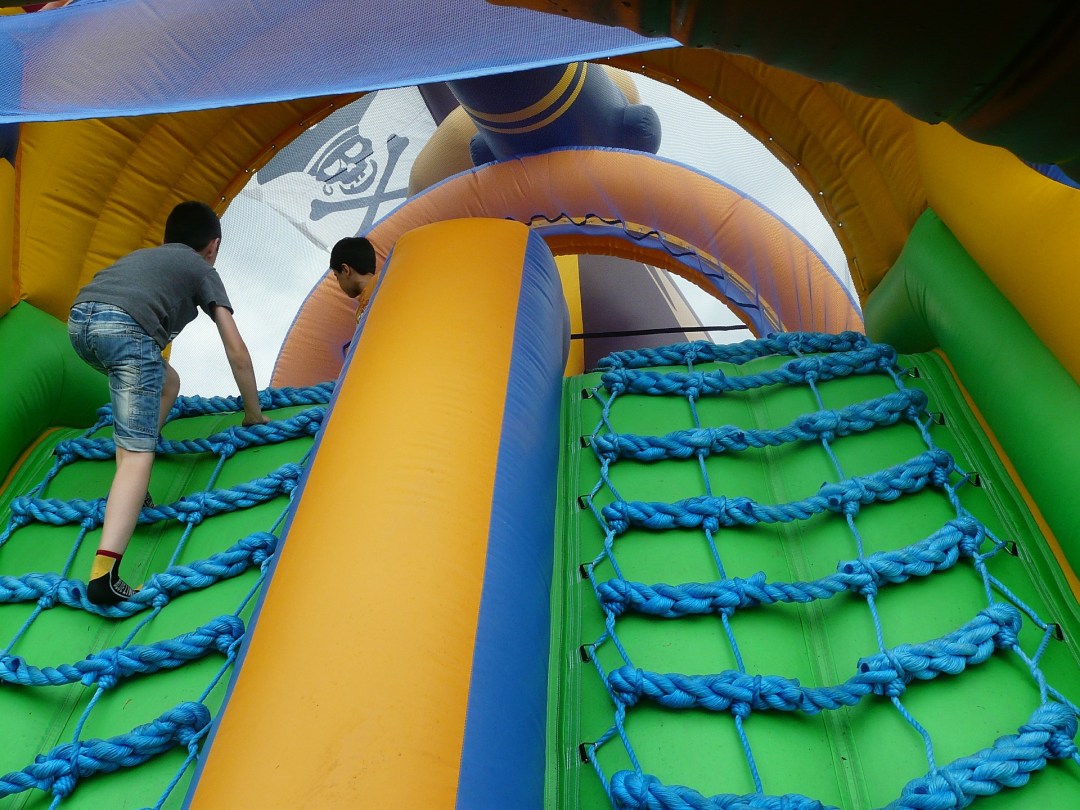
- – Make sure that all rented structures such as bouncy castles have an up-to-date inspection certificate and that they are properly attached and used in accordance with the manufacturer’s instructions and directives. You should also make sure that the equipment is supervised by one or more competent persons at all times – consider erecting signs indicating the age or size restrictions applicable to the equipment.
- – Gazebos, marquees and tents must also be weighted and / or staked to prevent movement by Strong wind.
- – If you rent a fairground ride, check that it has an up-to-date certificate of compliance.
- – Check the cables and cabling for electrical equipment, lighting and sound systems. Make sure that all cables are laid securely away from public areas, or if this is not possible, cover and protect them.
- – Ensure that a competent person has installed and tested all electrical equipment.
- – Monitor the risks throughout your fair by creating a checklist and having a person designated for surveillance.
Take the weather into account
Remember that the weather can be fickle – so think about:
- What impact might heavy rain, strong winds or very hot weather have;
- Provide shelter from heavy rain and / or strong sunlight; and
- If there is a risk, the ground could become wet and slippery.
If you are using live power outside, use a “trigger” to make sure that the power goes off quickly if contact is made with a live part.
Supervise stations and attractions
Stalls and tables must be in good condition and erected on firm ground. Make sure they can support the weights placed on them. Make sure merchants take all necessary health and safety precautions and are aware of the operation of any equipment they will be using.
All exhibitors must carry out specific health and safety risk assessments for their activities. If anything on a station could potentially harm others, such as a heat source, sharp objects, machinery, etc., appropriate precautions should be taken.
All electrical equipment must be in good condition, protected from rain and have a current Canadian Standards Association (CSA) certificate.
The stalls must be free from risks of tripping or other dangers which could endanger traders or visitors.
Exhibitors should be advised to take precautions to protect themselves and their products from the weather by bringing, for example, appropriate clothing, tarpaulins, sunscreen, etc.
All stations must fit into the site and not obstruct the surrounding sites and paths.
Perform fire safety checks
You must take into account the risk of fire in all cases. This will involve carrying out a fire risk assessment to identify potential fire risks and take steps to eliminate or reduce them. In this context, you must consider:
- Means of evacuation in the event of fire;
- Fire risks related to cooking facilities and storage of gas cylinders; and
- Fire-fighting equipment and use of materials which burn easily.
If the activities involve a risk of fire, merchants must bring appropriate and certified fire-fighting equipment – ensure that operators are trained in their use. All gas cooking appliances must be tested and certified.
The importance of insurance
As an organizer, your school could be legally responsible for the costs or damages of any injuries and other accidents that occurred during the fair. Appropriate liability insurance should therefore be put in place.
Carefully check the terms of any policy to make sure you know exactly what coverage it provides and any requirements you may have to meet. However, keep in mind that good planning, not insurance, keeps things from going wrong.
If you rent equipment such as a marquee or a bouncy castle, check with the rental company if its rental conditions include insurance and carefully read all conditions / exclusions.
If external companies provide services such as food or markets, you should verify that they have their own valid insurance.
Food safety requirements
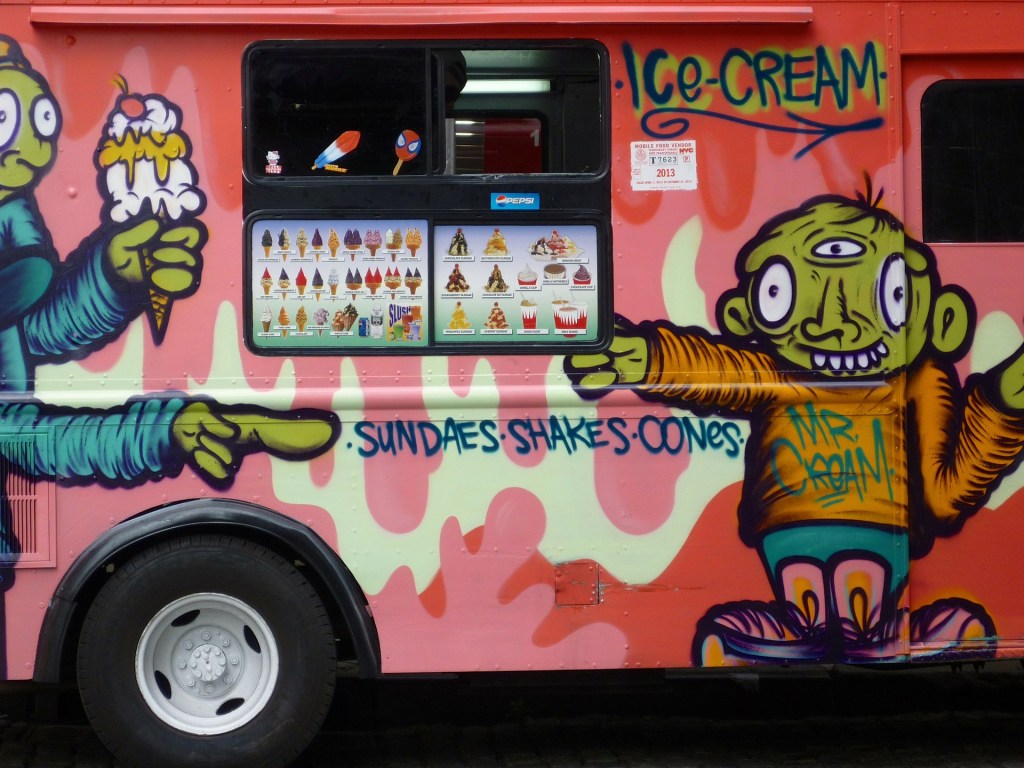
If you want to provide or sell food at your fair, some basic questions include:
- Are food preparation and serving facilities and equipment clean and in good repair?
- Are they conveniently located so that food is not contaminated, for example by pests, animals or waste?
- Are the washing facilities adequate?
- Is there anyone who can answer questions about the origin of the food and its ingredients?
Food must be stored and served properly. Certain foods should be kept in the refrigerator or kept separate from other types of food. Appropriate serving utensils and hygienic clothing should be used, such as plastic gloves, aprons and hats. Make sure toilets and washing facilities are located away from food stalls. Public health workers can provide additional advice.
Food sold for a charity or other community organization should only follow food labeling rules if the seller is a registered food business. This includes food sold at one-time events such as school fairs. However, voluntary labeling of foods can be helpful to potential buyers, especially if the food contains a common allergen such as nuts that buyers may need to be aware of.
First aid provisions
You will need to consider your first aid provisions. The types of injuries and illnesses that can occur at a fair are heart attacks, sunstroke and minor injuries such as cuts and bruises.
Find out if the people involved in the fair are qualified in First Aid. Otherwise, contact other organizations such as the Saint John Ambulance for assistance.
Assess how things went
After the event, it’s important to review how you handled health and safety issues and build on the lessons learned. Problems to be resolved include:
- Were there any dangers that you did not identify – if so, how were they treated?
- Which arrangements worked well, which did not work and why?
*** Keep a record of your evaluation for future use. You must also keep a record of any accident or dangerous occurrence. This will not only be useful for investigation and insurance purposes, but should be considered as part of your assessment. ***

 School Solutions