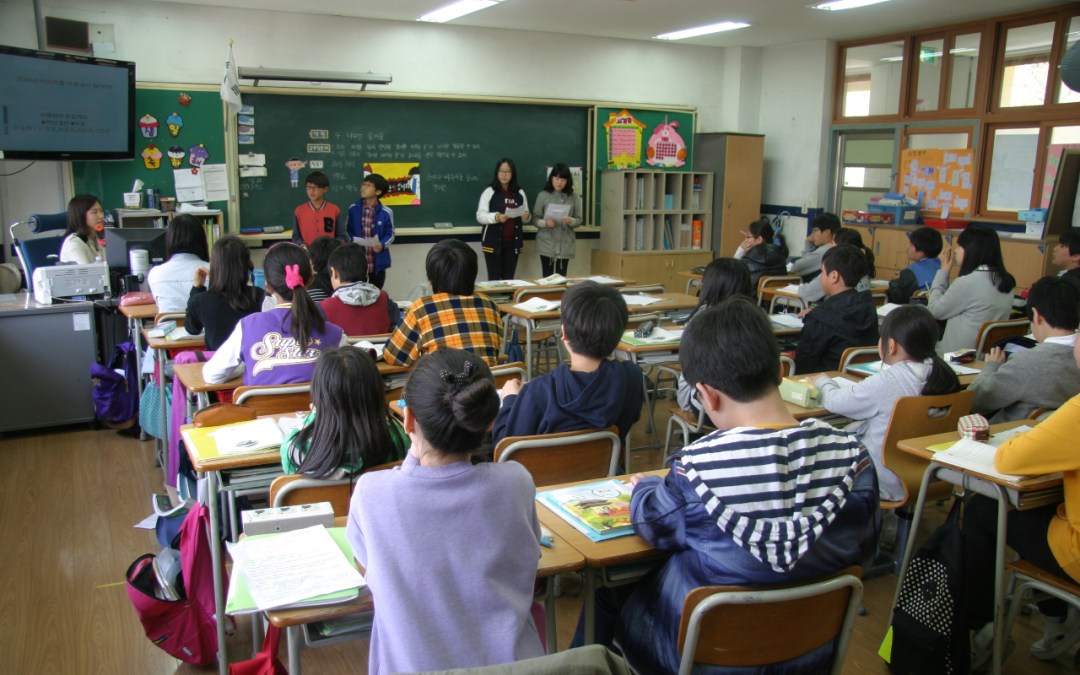
Children thrive in a safe and secure learning environment – and it starts in the classroom.
Students and teachers spend most of their day in class and, while not inherently a high risk environment, ensuring that risk is properly assessed and managed is essential to fulfilling your duty to diligence.
But where do you start with health and safety in the classroom? Where should you focus your attention? And what does a classroom risk assessment involve?
A reasonable approach to classroom safety
The Ministry of Labor advocates a reasonable and proportionate approach to how health and safety is maintained in schools, focusing on how real risks are managed. In other words, health and safety should not be a time-consuming bureaucratic exercise but a natural part of good school leadership, aimed at minimizing damage and maximizing learning opportunities.
Sensible health and safety management is when:
- The management team understands the school health and safety policy and applies it in practice to real risks in the school;
- Key personnel have clearly established roles and responsibilities; and
- The paperwork is reduced to a minimum, the significant dangers being identified, the risks properly controlled and the precautions clearly documented when necessary.
Common classroom hazards
In a classroom, major health and safety issues include class size, student behavior, maturity, space limitations, layout, equipment, etc. In high-risk classrooms – such as science labs, sports halls, and design and technology rooms – a separate assessment will need to be undertaken.
Not sure which risk areas need to be addressed? Here are eight things you will need to cover in your classroom risk assessment.
1. Travelling in the Classroom
According to accident statistics, slips, trips and falls are the second most common cause of workplace accidents, accounting for 29% of all non-fatal accidents. Even though they may seem relatively minor, slips, trips and falls can have serious consequences, not only in terms of injuries sustained, but also in costs to employers. For schools, a slip, trip or fall can leave you with one less member of staff, forcing you to organize his supply in the short term. In addition, with young children prone to these types of incidents, proactive prevention is essential.
Fortunately, slips, trips and falls can be largely prevented by implementing simple, inexpensive precautions and good daily practices.
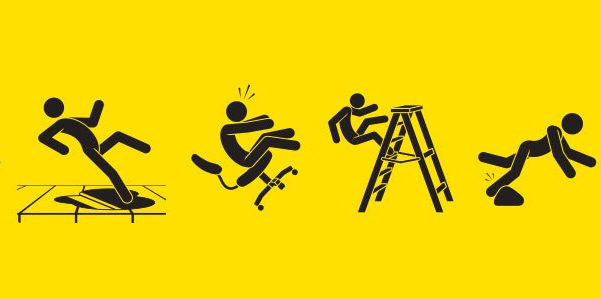
During a classroom risk assessment, verify that:
- The interior flooring is in good condition
- Lighting is bright enough to provide safe, lit access
- Robust procedures are in place for spills
- There are no trailing electrical cables / wires
- The aisle between the desks are clear
Falls are particularly susceptible to serious injury. In a classroom, for example, teachers or students who use classroom furniture such as desks or swivel chairs to reach for something high can cause serious injury.
In your classroom risk assessment, make sure you can say that:
- There is an “elephant foot” stool or step stool available for use if required
- Window openers are provided for high level windows
- Above-ground windows are secure to prevent falls
2. Furniture, fixtures and fittings
Despite the financial pressures on schools, it is essential to ensure that facilities and accessories are maintained to minimize hazards in the classroom.
During the risk assessment, can you answer yes to these questions?

- Are the permanent fixtures in good condition and securely attached?
- Is the classroom furniture in good condition and suitable for the size of the user, whether for adults or children?
- Are portable equipment, such as projectors and televisions, stable on a suitable cart?
- When window constrictors are installed on upper story windows, are they in good working order?
- Are hot surfaces (radiators, etc.) protected if necessary to avoid the risk of burns for vulnerable young people?
If the answer to any of these questions is no, you will need to ensure that steps are taken to eliminate the risk (or, if that is not possible, reduce it to as low as “reasonably possible”) .
3. Manual handling
If your staff use computers as part of their day-to-day duties, should a workstation assessment be performed?
This does not mean that a risk assessment is required every time someone carries something, such as distributing textbooks, but does mean that:
- Staff have a good knowledge of safe manual handling techniques and understand the risks involved; and
- Appropriate manual handling aids are provided if heavy objects are to be moved. (It could be something as simple as providing a cart to move a computer).
4. Computers and other display screen equipment
Although the use of PCs, laptops and tablets may seem relatively harmless, prolonged use or a poorly designed workstation can lead to serious health problems, including musculoskeletal disorders, vision problems and stress mental.
To what extent have students been informed of good practices when using computers?
Schools are increasingly embracing technology in their classrooms and musculoskeletal disorders accounting for 29% of all workdays lost due to work-related health problems. It is essential to assess and protect yourself properly against the risk of ergonomic problems.
5. Electrical equipment
By law, all employers must ensure that electrical equipment is maintained to avoid danger. The type and frequency of checks, inspections and tests required will depend on the equipment, the environment in which it is used and the results of previous checks. Of course, in a classroom environment, electrical equipment is likely to be used a lot, and with vulnerable people in your care, the need for good electrical safety is high.
To ensure compliance, ask the following questions as part of your classroom risk assessment:
- Are the fixed electrical switches, sockets and cables in good condition?
- Have portable electrical devices, such as laminators, been visually checked and tested at appropriate intervals to ensure their safe use? (There may be a sticker to show that it has been tested).
- Have damaged electrical equipment been removed or replaced?
- Are the electrical cables routed to avoid tripping?
6. Asbestos
Asbestos remains a major danger in schools.
If your school contains asbestos:
- Have details of the location and condition in the classroom been provided and explained to staff?
- Have you been given advice on posting student work or other posters on walls that may contain asbestos?
7. Fire
With a large number of young people in one place, it is essential that school administrators take a proactive approach to fire safety. Schools must assess the risks of their premises to identify potential fire risks and put in place measures to minimize the risks.
Schools must ensure that:
- All emergency exit doors in the classroom are kept clear, unlocked and easy to open;
- Fire fighting equipment is in place;
- Fire evacuation procedures are clearly posted; and
- All staff are aware of the evacuation drill, including arrangements for any vulnerable adult or child.
8. Ventilation and heating
A classroom that is too hot or too cold can affect a child’s learning ability. With that in mind, ask the following questions about your classroom environment (and if not, take corrective action):
- Does the classroom have natural ventilation?
- Can a reasonable temperature be maintained?
- Are measures in place, including window blinds, to protect students and staff from the glare and heat of the sun?
If you are able to demonstrate that you assess and manage the risks in the eight areas described above, you are well on your way to health and safety compliance. However, while the above provides a useful starting point for classroom hazards and risk assessment, it is by no means an exhaustive list. It is the responsibility of management to identify specific school and classroom hazards in their environment and to take all “reasonably practicable” precautions.
Remember that simply referring to risk assessment models is not enough; principals must be able to demonstrate that these assessments have been consulted and, if necessary, adapted to your school.

 School Solutions