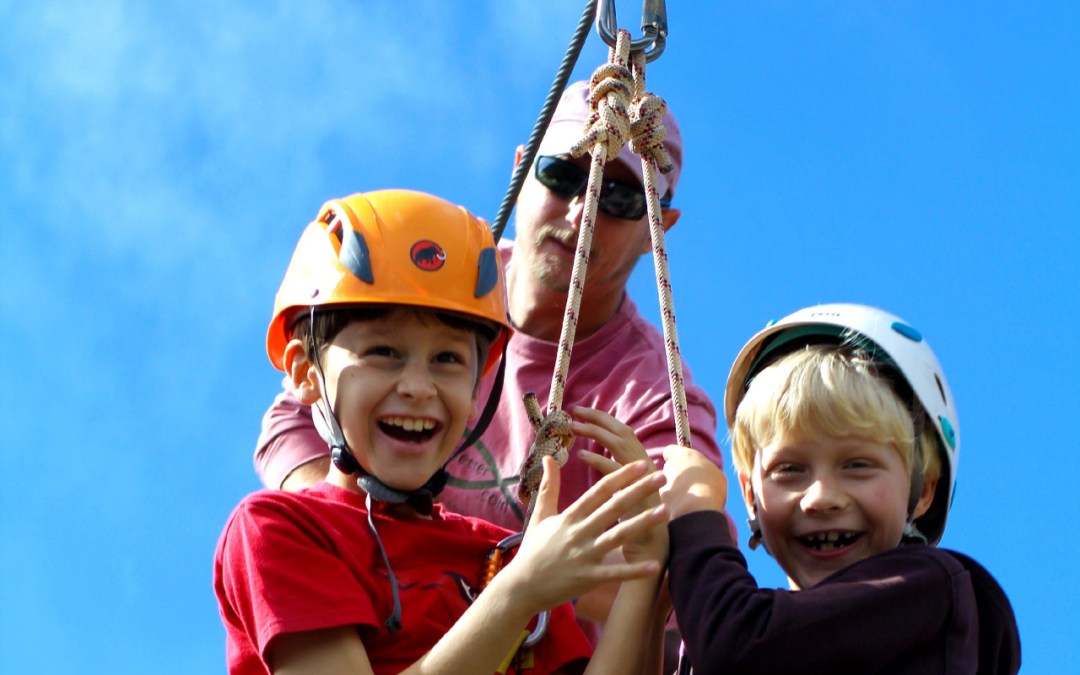
There is often confusion and contradictory information concerning the law on the staff / pupil ratio for educational outings.
It is important to remember that even if there is no staff / student ratio law, a detailed risk assessment should provide a clear indication of the appropriate ratios required.
According to directives from the Director of Education of the school board, the ratio of adults to children on school trips should relate to:
- The educational visit category;
- The specific educational objective (s); and
- The result of a risk assessment.
The more time, the better

Determining the appropriate level of supervision well in advance of the trip will allow sufficient time for staff to volunteer to participate in the trip. It will also provide you with a lot of notice to involve volunteers, for example, parents or guardians. As part of this process, you must then assign each person clearly defined roles as identified by your risk assessment.
Risk assessment for a school trip
There are many factors to consider when assessing the risk of a school trip. The safety of students, colleagues and volunteers should always be at the forefront of your mind throughout the process, but it is also important to ensure that your goal is to reduce the real risks.
Schools often tend to be overly restrictive or simply not to go on a school trip due to the fear of lawsuits if the trip goes wrong and the belief that a teacher will be prosecuted if a child is injured.
Remember, you are not supposed to completely eliminate all risks. A risk assessment aims to ensure that children are not unnecessarily exposed to things that could harm them. It is also a way to demonstrate that you have done everything you can to keep them safe.
Identify the level of supervision required
Based on the results of your risk assessment, you should be able to establish the staff / student ratio required for school trips taking into account the following factors:
- The nature and location of the activities to be undertaken;
- The age and abilities of the group;
- Students with special educational and / or medical needs;
- Whether it is a day trip or an overnight stay;
- Whether it is a mixed group or a single sex group;
- The experience of management staff in off-site supervision;
- The duration and nature of the trip;
- The type of any accommodation;
- The competence of supervisory staff, both general and in relation to specific learning activities;
- The requirements of the organization / place to visit;
- The competence and behavior of the students;
- Probable weather and time of year;
- The duration and location of the planned activities; and
- First aid experience.
For example, a trip to a theme park involving elementary school students will require a higher ratio of adults than visiting a museum with high school students. Likewise, overnight trips or trips involving high-risk activities such as snowboarding, abseiling or kayaking will require higher school trip ratios (and in fact more experienced staff) than trips to the theater or at the art gallery. The usual ratios for certain school trip activities should be increased if students with special educational, behavioral or medical needs are present.
It is also necessary to determine if the pupils need close (direct) supervision during the visit, in this case the staff / pupil ratio will be higher. Alternatively, if you do not intend the students to be directly in your field of vision for the duration of the trip, then less supervision will be required. However, chaperones must always remain in the area where the activity takes place at all times.
In the event that a student or a trip manager has to leave the trip earlier, the appropriate ratios should always be maintained. For example, an adult may need to accompany a student to the hospital or report to a personal emergency. This should be taken into consideration when planning your visit.
As a starting point, the school board authority recommends the following school trip ratios.
| Age Group | Ratio | ||
| Kindergarden | One adult for a maximum of five (5) children. | 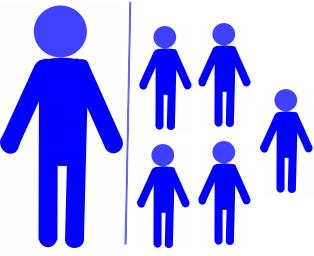 | |
| Primary | Grades 1 to 3 (6 to 8 yrs) | One adult for a maximum of ten (10) students. |  |
| Middle | Grades 4 to 6 (9 to 11 yrs) | One adult for a maximum of 15 students. | 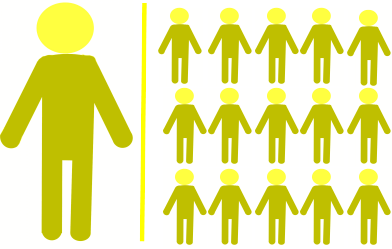 |
| Intermediate | Grades 7 and 8 (12 & 13 yrs) | One adult for a maximum of 20 students. | 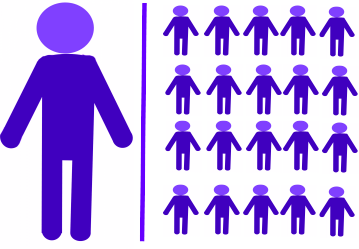 |
| Senior | Grades 9 to 12 (14 to 17 yrs) | One adult for a maximum of 20 students. | |
*** High risk activities may require direct supervision at all times and therefore a higher staff / student ratio must be observed. ***
Verification procedures for volunteers
If you are inviting volunteers such as parents or guardians to help supervise students during a school trip, you must comply with the school directive regarding the criminal background check for volunteers working in schools. This should be followed when planning trips for all groups of students under the age of 18.

 School Solutions